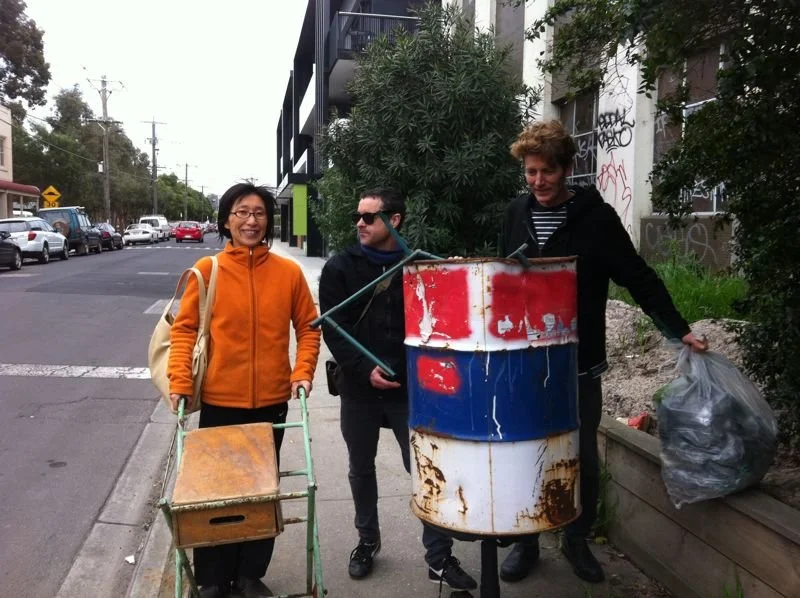
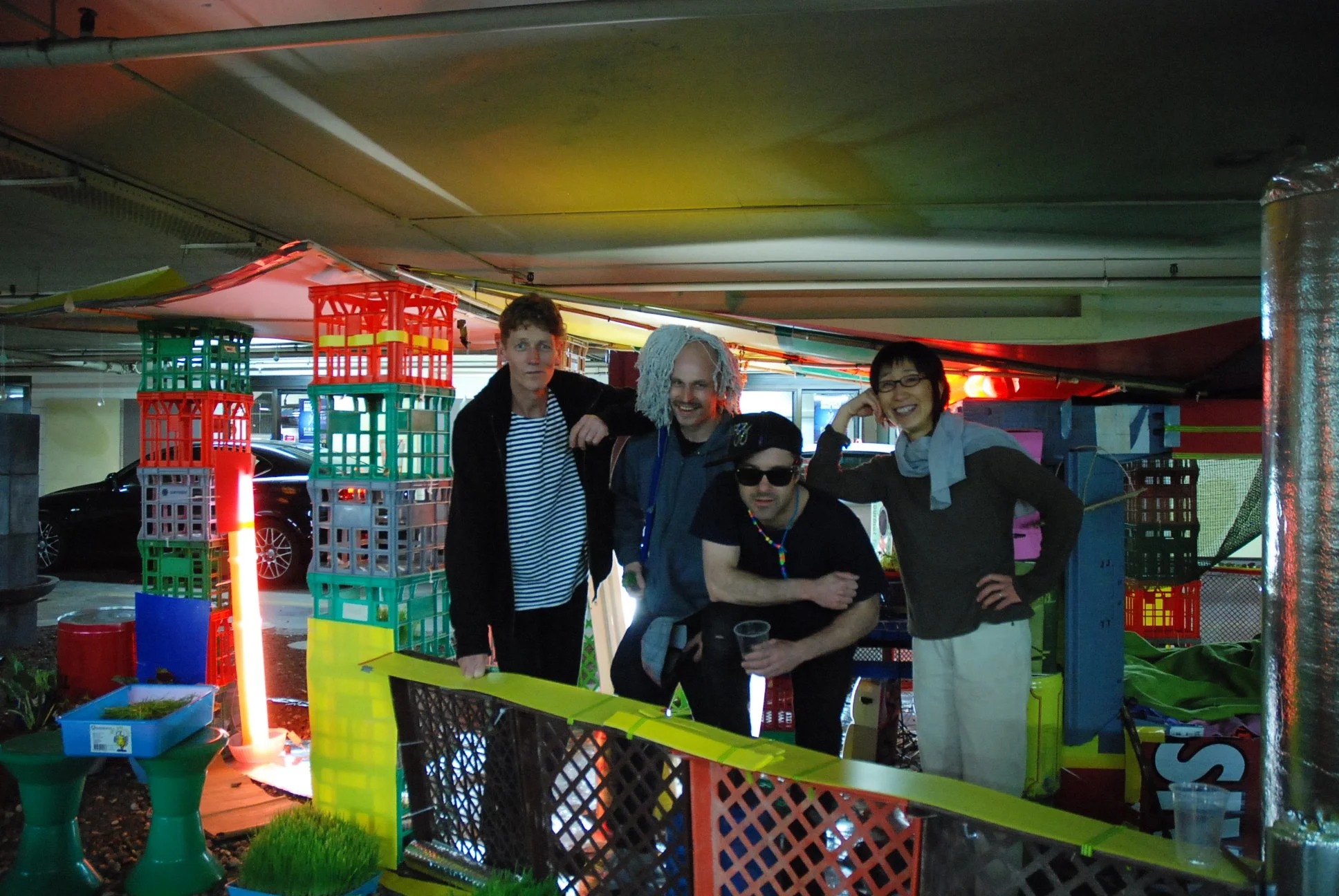
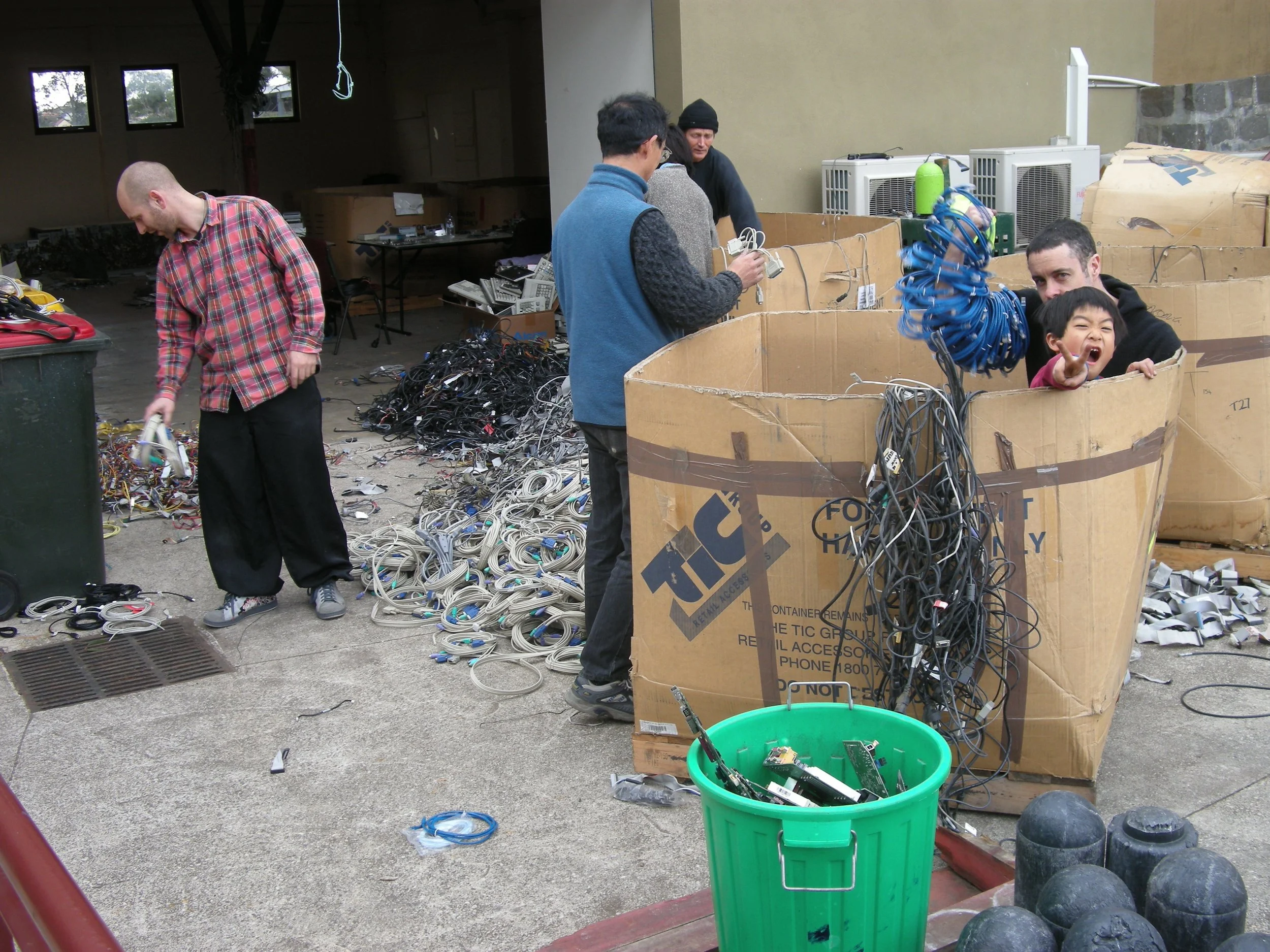
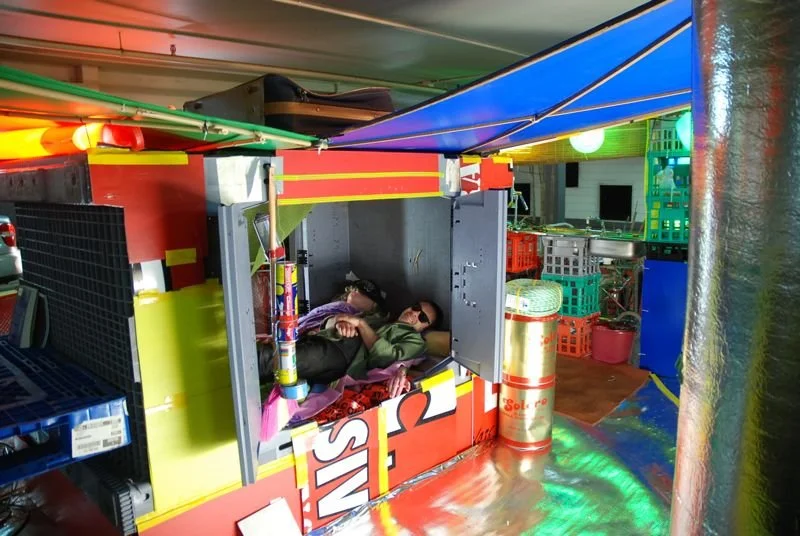
2009年スローアートコレクティブ(Slow Art Collective / 以下SAC)を始めてから、気づけば17年という月日が流れていた。 はじめは私の呼びかけで4人(dylan martorell, tony adams, ash keating) が集まり、メルボルンの小さなギャラリー(Incinerator Art Gallery)で横のリサイクルセンターと共同でつくったプロジェクト「TS2」から手弁当で始まった私たちの試みは、あれよあれよという間に評判を呼び、次から次へとさまざまなプロジェクトの機会が舞い込んでくるようになっていた。公園や広場でのアートフェスティバル、地域のコミュニティセンター、学校でのアートプログラム、たくさんの大小の美術館、さらには日本の駅や病院、カトマンズやサンフランシスコ、香港の美術館へと広がり、数えきれないほど多くの人たちと手を動かし、空間をともにつくる時間を重ねてきた。
当初、友人4人で始めたこのコレクティブは、3年の月日を経て一人が抜け、一人が引っ越し、2013年以降はディランと2人でつくってきた。SACのプロジェクトは規模が大きいため、その都度、アーティストやサウンドアーティストの周りにいる友人、私たちそれぞれの子どもたち(2人ずついる)、それからこの活動に賛同して手を挙げてくれた人たちを巻き込み、一緒につくってきた。(だから、「コレクティブ」という名前で続けている。)
スローアートコレクティブを立ち上げた時の理念として(詳しくはこちらhttps://www.chacokato.com/blog-2-1/interview-slow-art-collective)アーティストと鑑賞者という関係を壊し、みなが関わってつくるものにすること、常に変容していく行為自体がアートであること、そして、こうした活動が社会をゆっくりと変容させ、アートに満ちた創造性に富む社会をつくるための大切なものとなることを掲げて始めた。だから私たちはこれまで、「完成した作品」をつくることよりも、人が集まり、素材に触れ、アクションが次のアクションを引き起こしていく「プロセスそのもの」を大切にしてきた。アートと日常の境界線を曖昧にし、その土地に眠っている文化や人々の感覚が自然と滲み出てくるような「余白」をつくること。そうした実践は、従来の記念碑的なパブリックアートとも、福祉や教育を目的としたコミュニティアートとも少し違う、新しいパブリックアートのあり方だったのではないかと思う。
一過性の楽しいイベントで終わらせるのではなく、私たちが現場で目撃してきたこと、苦労したこと、そして「こういうアートのあり方が、どうやって社会の中で大切にされ、アーティストの持続可能な生計や次の世代へと循環していくのか」という問いを、少しずつ自分の言葉で書き残しておこうと思う。
私はもともと文章を書くのが得意なわけではない。けれど、それをおしてでもこれをすべき責務を感じはじめたのだ。SACとして私たちがやってきたこと、やってきたやり方、考えてきたことはとても新しいものであり、素晴らしい事例であったということを自負している。どこにもお手本はまだなかったし、パブリックアートや参加型アートなどという言葉もあまり聞いたことがなかった。ただ、既存のアートのあり方と鑑賞者の関わり方、デモグラフィックをかき回したかったし、そういう行動自体が新しいアートたり得るだろうと確信していた。だから、とりあえずは自分で覚えていることややってきたことを記録しておこうと思ったのが、このシリーズのきっかけだ。
アートの新しい立ち位置を考えている方がいたら、その一助になれたら嬉しいと思う。
(English Version)
SAC Archive #0: Documenting Our Journey Since 2009 (Prologue)
Seventeen years have passed since Slow Art Collective (SAC) ,(with Dylan Martorell, Ash Keating, Tony Adams) in 2009. What began in a small gallery in Melbourne (TS2 at Incinerator Art Gallery) quickly gained momentum, bringing one project opportunity after another. Our practice expanded into art festivals in parks and public squares, local community centres, school programs, museums both large and small, and even train stations, hospitals, and galleries across Japan, Kathmandu, San Francisco, and Hong Kong. Along the way, we have spent countless hours working with our hands and building spaces together with thousands of people.
Originally founded by four friends, the collective evolved over its first three years as one member left and another moved away; since 2013, Dylan and I have led the practice together. Because SAC projects are often large in scale, we have always built them by bringing in fellow visual and sound artists, our own children (two each), and people who stepped forward in resonance with what we were doing—which is why we have continued under the name "Collective."
From the very beginning (read more in our early interview here [link]), our core philosophy was to dismantle the divide between artist and viewer so that everyone could co-create, to treat the ongoing act of transformation itself as art, and to foster a slower social shift toward a more creative, art-filled society. Rather than focusing on creating a "finished artwork," we have always valued the process itself—where people gather, touch materials, and one small action triggers the next. By blurring the boundaries between art and everyday life, we sought to create open spaces (ma or breathing room) where local culture and human sensibilities naturally emerge. Looking back, I believe this practice offered a new model of public art—distinct from both traditional monumental sculpture and conventional community art driven purely by welfare or educational goals.
Instead of letting these experiences fade as one-off events, I want to begin recording what we witnessed on the ground: the struggles we faced, and the ongoing question of how society can value this kind of art to sustain artists' livelihoods and carry it into future generations.
Writing has never been my strongest suit, yet I have come to feel a sense of responsibility to document this anyway. I take pride in knowing that what we did, how we did it, and what we envisioned through SAC was genuinely pioneering. At the time, there were no blueprints to follow, and terms like "public art" or "participatory art" were still rarely heard in our context. We simply wanted to shake up the established relationship between art and its audience, disrupt the usual demographics, and trust that the very act of doing so could become a new form of art. Recording what I remember and what we built is the starting point of this series.
If there are others out there rethinking the role and position of art in society today, I hope these notes can offer some inspiration or support.